Associate Members
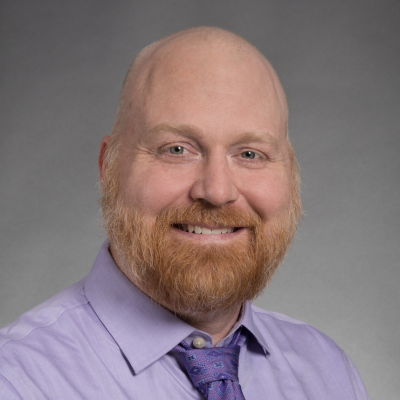
Scott Kennedy
Dr. Kennedy’s research focuses on developing and using high-accuracy sequencing methods to detect low-frequency somatic mutations. He is one of the primary developers of Duplex Sequencing, which increases the accuracy of these platforms by >10,000-fold. He is using this new technology to study the accumulation of mutations (in both the nuclear and mitochondrial genomes) during aging in a variety of disease contexts.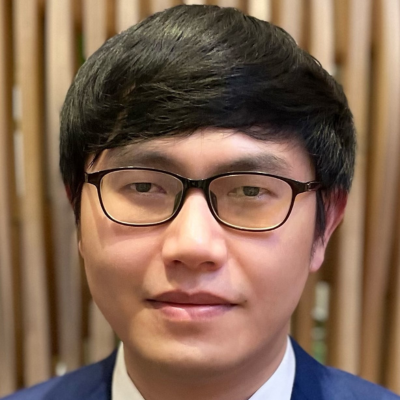
Haoyu Cheng
Haoyu Cheng is an Assistant Professor in the Department of Biomedical Informatics & Data Science at Yale University. His research focuses on developing computational methods for long-read genomic data, with a particular emphasis on de novo genome assembly. He is also interested in applying assembly-based approaches to problems such as variant calling, challenging medically relevant genes, and pangenome analysis.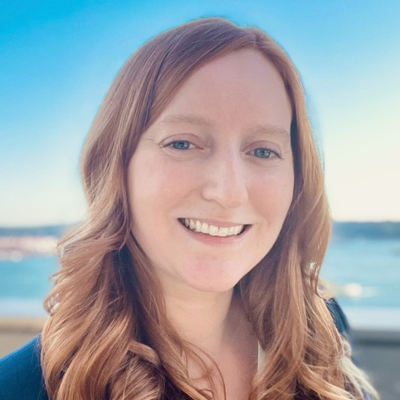
Glennis Logsdon
Glennis Logsdon, Ph.D., is an Assistant Professor in the Department of Genetics and a Core Member of the Epigenetics Institute at the University of Pennsylvania Perelman School of Medicine. She earned her B.A. in Biochemistry from the University of Pennsylvania in 2011 and her Ph.D. in Biochemistry and Molecular Biophysics from the same institution in 2018, followed by postdoctoral training at the University of Washington School of Medicine with Dr. Evan Eichler. During her postdoctoral training, she developed wet- and dry-lab methods to determine the first complete sequence of a human autosomal centromere, work that contributed to the completion of all human centromeres and ultimately the entire human genome. She is involved in several national consortia, including the Telomere-to-Telomere (T2T) consortium, Human Pangenome Reference Consortium (HPRC), and Human Genome Structural Variation Consortium (HGSVC). Her lab now focuses on charting the genetic and epigenetic landscapes of centromeres in healthy and diseased individuals, reconstructing centromere evolutionary history across primates, and engineering new centromeres on synthetic chromosomes, an effort with the potential to transform scientific research and medicine through the design of custom chromosomes and genomes.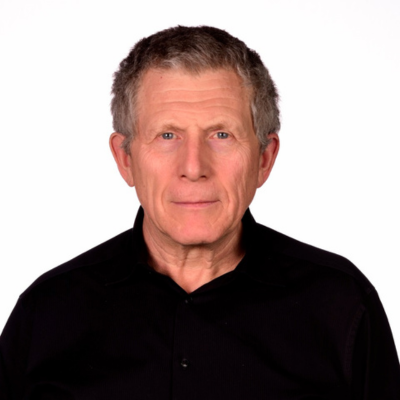
Dimitry A. Gordenin
Dmitry Gordenin received his doctorate in genetics in 1978 from St. Petersburg State University in Russia and continued his research there as a faculty member of the Department of Genetics. A collaboration with Michael Resnick, Ph.D., in 1989 eventually led to Gordenin joining Resnick’s group at the National Institute of Environmental Health Sciences (NIEHS) in 1994, where he rose through the ranks to the level of Senior Associate Scientist in 2010. In 2014 he became Principal Investigator of the Mechanisms of Genome Dynamics Group.Gordenin is interested in identifying the mechanisms, genetic defects, and environmental factors that lead to the extreme risks of genome instability. The outcomes of his work encompass areas of DNA replication and various DNA repair pathways. Methodology includes state-of-the-art yeast experimental models, as well as sequencing and bioinformatics analysis of yeast and human genomes, turning them into reporters of genome instability.
Over the past years Gordenin’s have established several important phenomena in the field of mutagenesis, such as mechanisms of instability associated with long inverted repeats, escape of long homonucleotide runs from DNA polymerase proofreading, hypermutation mediated by environmental inhibition of mismatch repair, new biological roles of DNA polymerase 3’ to 5’ exonuclease in mismatch repair and in Okazaki fragment maturation, as well as a general phenomenon of damage-induced localized hypermutation generating mutation clusters in yeast and in human cancers. Gordenin pioneered knowledge-based bioinformatics analyses of whole-genome mutation catalogs, leading to the identification of APOBEC cytidine deaminases as endogenous mutagens that are ubiquitous across human cancers, and to the discovery of mutational motifs that reveal the underlying mutagenic mechanisms operating in the human body.